Material handling solutions for the automotive industry

In automotive manufacturing, production performance depends on a stable and predictable flow of materials. Every disruption in internal logistics can create delays and every minute of production line stoppage carries a measurable cost. Ensuring a reliable flow of materials, preventing equipment downtime and fast issue resolution become critical to maintaining operational stability and supporting production targets. In this environment, the choice of a material handling partner becomes a strategic decision - one that directly influences continuity, safety and long-term competitiveness. Achieving the best possible efficiency, quality and delivery performance is key. That’s right, we speak the same language. 

5 most common challenges

Automotive internal logistics are complex: multiple flows, diverse load types, indoor and outdoor operations and strict safety requirements. Synchronised assembly operations often depend on fork-free milk run systems that deliver components at precisely the right time and location, helping maintain takt time while reducing shop-floor traffic. Flexibility and equipment availability remain critical to operational performance. Every component must be in the right place, at the right time, while supporting safety, quality and productivity objectives across the plant.
At the same time, sustainability and decarbonisation have become defining priorities in automotive manufacturing. The industry’s challenge is to balance long‑term environmental commitments with short‑term operational realities. As OEMs accelerate electrification, they must simultaneously navigate rising cost pressure. Supply chain volatility forces manufacturers to procure material handling solutions that ensure continuity, quality, reliability, proactive service and real-time data insights.

Toyota Tracto TRE1000 electric tow tractor in automotive industry

Service

In lean production environments, even one breakdown disrupts output, delays shipments and drives unplanned costs. To prevent unwanted downtime, equipment availability becomes critical.  Manufacturers don’t buy maintenance. They buy operational continuity, risk reduction and peace of mind.

Cost

Rising operating costs demand tighter efficiency, yet many production sites still operate without clear insight into maintenance expenses, operator impact, or true fleet ownership costs. Without reliable data, cost control becomes guesswork. In automotive manufacturing, every operational choice shapes total production cost and ultimately the end price, making full fleet‑wide transparency essential. 


Flexibility

In the automotive world, demand shifts and production must adapt fast. New vehicle programmes arrive quickly, forcing manufacturers to stay agile and responsive. Seamless coordination and flexibility are essential for maintaining efficiency and stability. 

Productivity & truck availability

Automotive manufacturing relies on synchronised flows where even small bottlenecks or delays affect the production line, disrupting takt time and increasing cost. Those who maximise equipment availability and adjust rapidly gain a competitive edge. 

Safety & ergonomics

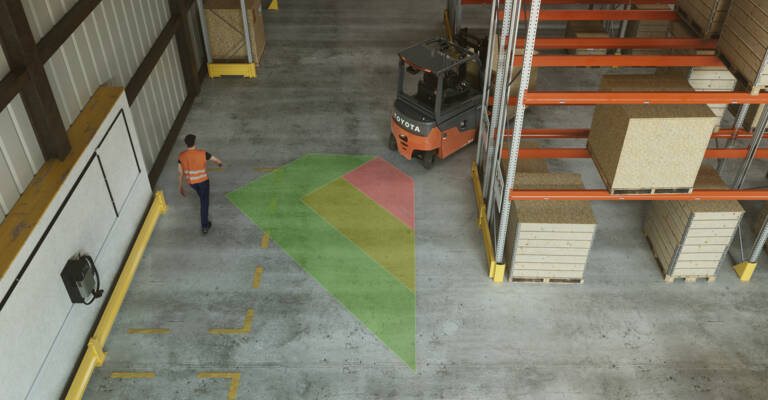
Safety incidents involving industrial trucks can lead to injuries, production disruptions, equipment damage and significant costs. As safety regulations become increasingly stricter, manufacturers are looking for better ways to monitor truck usage and encourage safer operator behaviour. 

Your production never stops. Neither do we.
This is how we support you.


Toyota service technician taking tools out of his service van

Service and support strengthening operational performance    

The challenge isn’t owning equipment; it’s ensuring it’s available exactly when operations need it. Every hour of downtime hits productivity, customer service and profitability. Operational stoppages cost thousands of euros per minute, so manufacturers need a partner that keeps fleets running and production lines moving. We deliver that reliability – not just through equipment, but through fast response, high spare parts availability and preventive maintenance. Our European service teams work with high production floor discipline, ensuring every intervention is efficient, standardised and aligned with customer takt time. This approach transforms service from a reactive necessity into a strategic advantage - one that safeguards continuity and reduces operational risk. When needed, a resident technician provides continuous on-site expertise.  

Person at desk consulting insights from the Toyota Material Handling fleet management portal

Cost control through Lean principles and full transparency 

Our approach to total cost of ownership (TCO) combines fleet optimisation with advanced connectivity tools like I_Site from Toyota, giving automotive manufacturers the real‑time visibility needed to run lean, efficient operations. Continuous fleet insights help teams maximise utilisation, while full cost transparency ensures predictable cost management from start to finish. By enabling data‑driven decision making, manufacturers improve flows, boost productivity and eliminate waste, while maintaining control over their internal transport performance and costs. At the same time, effective TCO management goes beyond purchase price. A significant share of lifetime cost comes from unplanned breakdowns, lost productivity, emergency repairs and shortened asset life. Leading operations are shifting from reactive maintenance to proactive fleet management, using connected service insights to prevent failures, extend asset longevity and reduce service‑related costs. This integrated approach strengthens both operational efficiency and long‑term cost control.  

Contact our industry experts


A long‑term partner fitted to the needs of automotive manufacturing 

Toyota Material Handling was born on the automotive factory floor, built to move heavy components with absolute precision and reliability. Today, that heritage shapes a portfolio of tow tractors, electric forklifts and connected solutions engineered for the sector’s toughest demands.

Grounded in TPS and lean principles, and backed by a premium service ecosystem, Toyota partners with manufacturers to optimise flows, boost transparency and drive continuous improvement. The result is simple: production keeps moving - every hour, every shift, every day.
Person working at product line in Toyota forklift factory
Front view of Toyota Tracto TRE1000 electric tow tractor without cabin


Tracto TRE800/1000

 *Seamless indoor/outdoor use with the right height, weight, size, turning radius and visibility features, including full cabin defogging and heated cabin options  
* 3 or 4‑wheel config. for maximum stability with heavy loads, delivering high speeds, strong braking and safe cornering  

Toyota Tracto TRE1000 electric tow tractor with cabin


*Built from standardised, proven forklift components to ensure consistent quality, long‑term reliability and secure spare parts availability  
*Intelligent braking and acceleration for massive train loads, synchronised steering, automatic speed reduction in corners and easy step‑in/out access  

  “Our science-based targets for achieving net zero emissions by fiscal year 2041, approved by the Science Based Targets initiative (SBTi), are a testament of our commitment to sustainable business practices and to reducing our environmental impact, at an accelerated pace. 
This commitment enables us to support our customers in driving the decarbonisation of their material handling operations. A key milestone in this journey has been our strategic partnership with SSAB, enabling the use of low-emission steel that delivers up to 75% lower CO₂ emissions compared to conventional iron ore-based steel in a growing number of our products. 
Our customers can rely on us as a trusted and committed partner, dedicated to driving sustainable transformation across the material handling industry.” 
 

Marc Maureaux, Senior Sustainability Manager at Toyota Material Handling Europe

Toyota Traigo80 heavy-duty electric forklift charging its Li-ion battery

Need expert advice on your industry challenges?